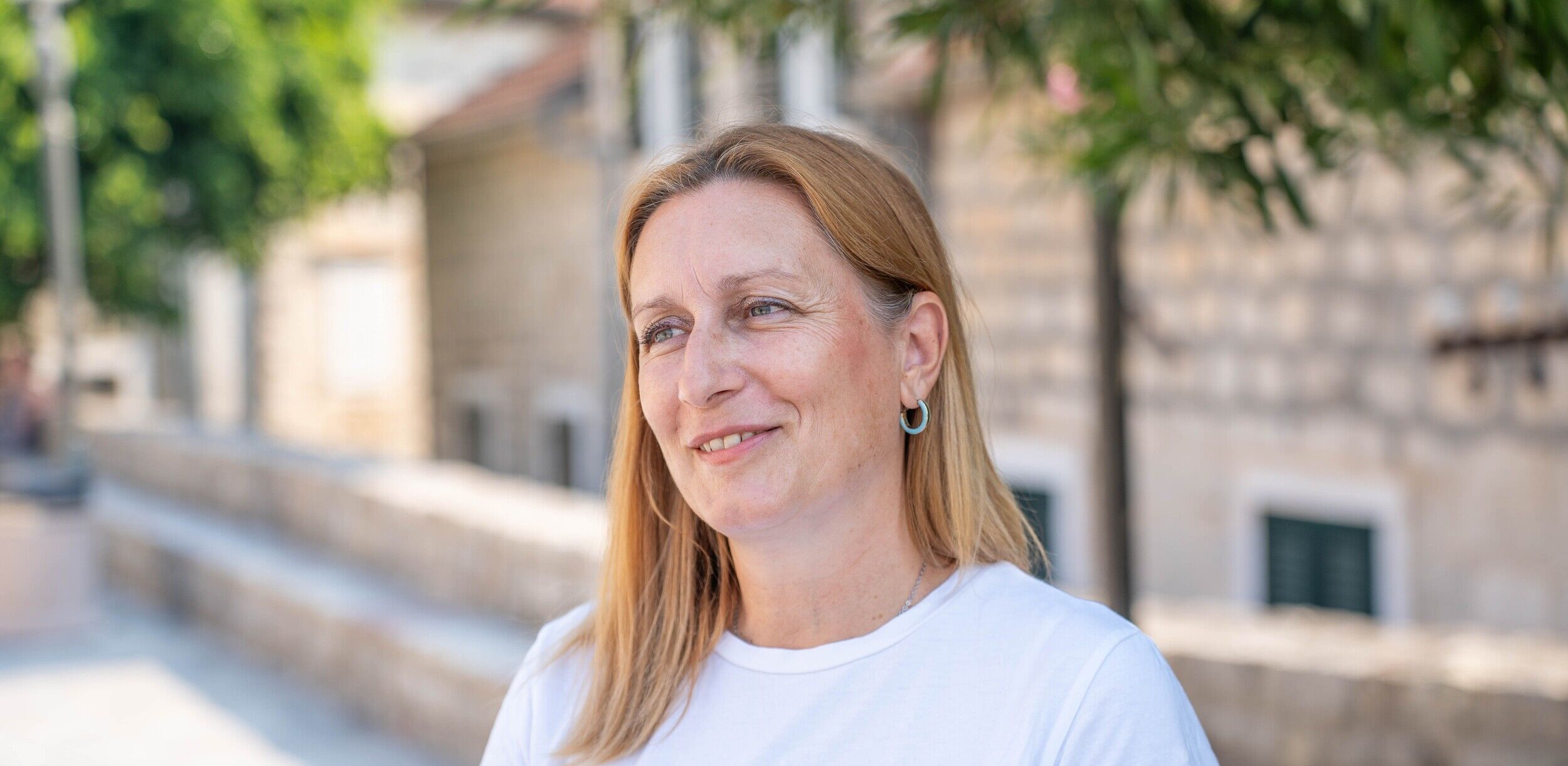
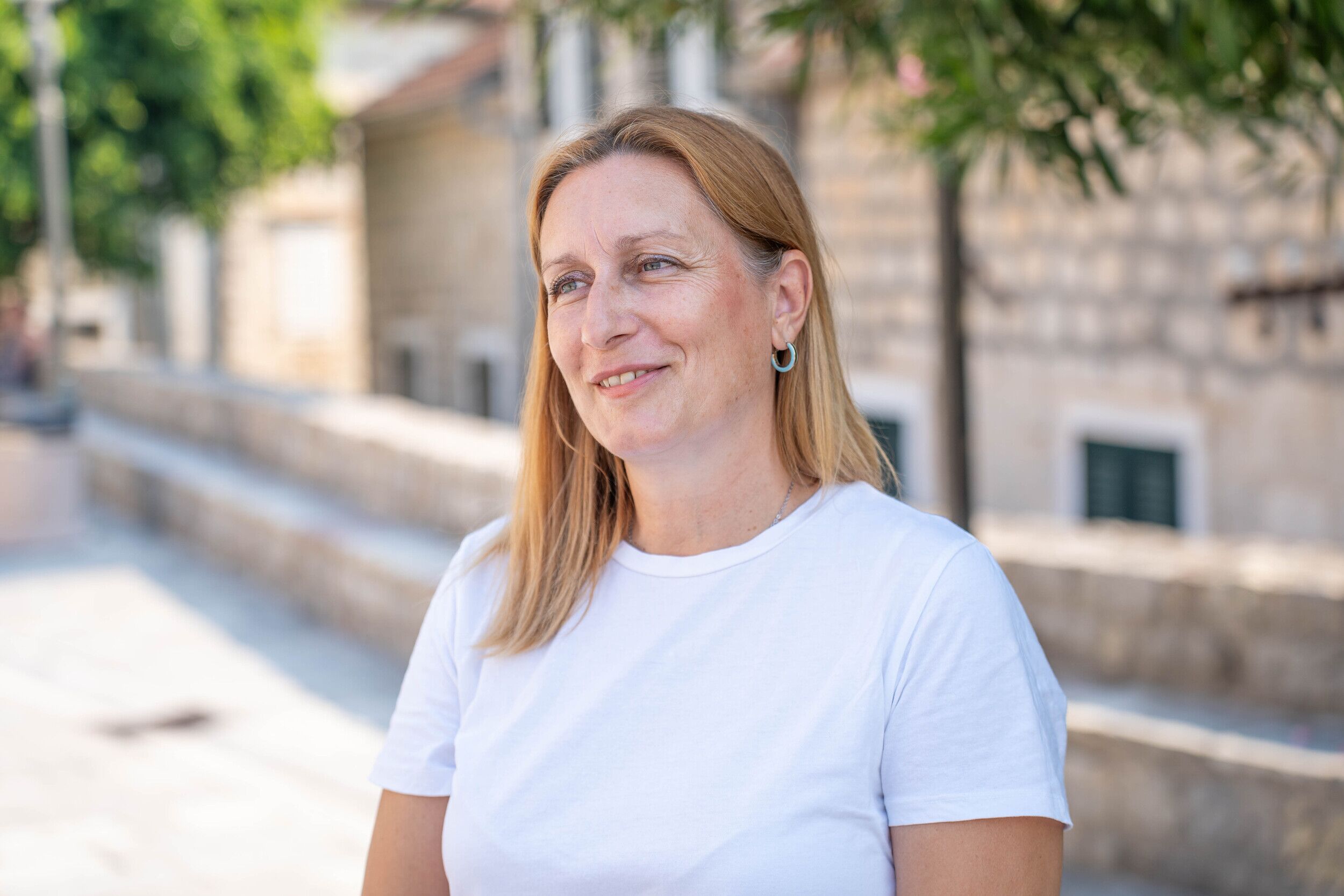
The Herceg Novi Film Festival – Montenegro Film Festival is one of the most important cultural events in Montenegro and an integral part of the city’s identity. For this reason, the Municipality of Herceg Novi will continue to strongly support its development by nurturing audiences and cultural heritage, promoting the city’s authentic locations, and developing Herceg Novi as a destination for film and television productions.
This was stated by Ana Zambelić Pištalo, a member of the Festival Council and Secretary for Culture and Education of the Municipality of Herceg Novi—the founder and patron of the Film Festival—in an interview with PR Centar.
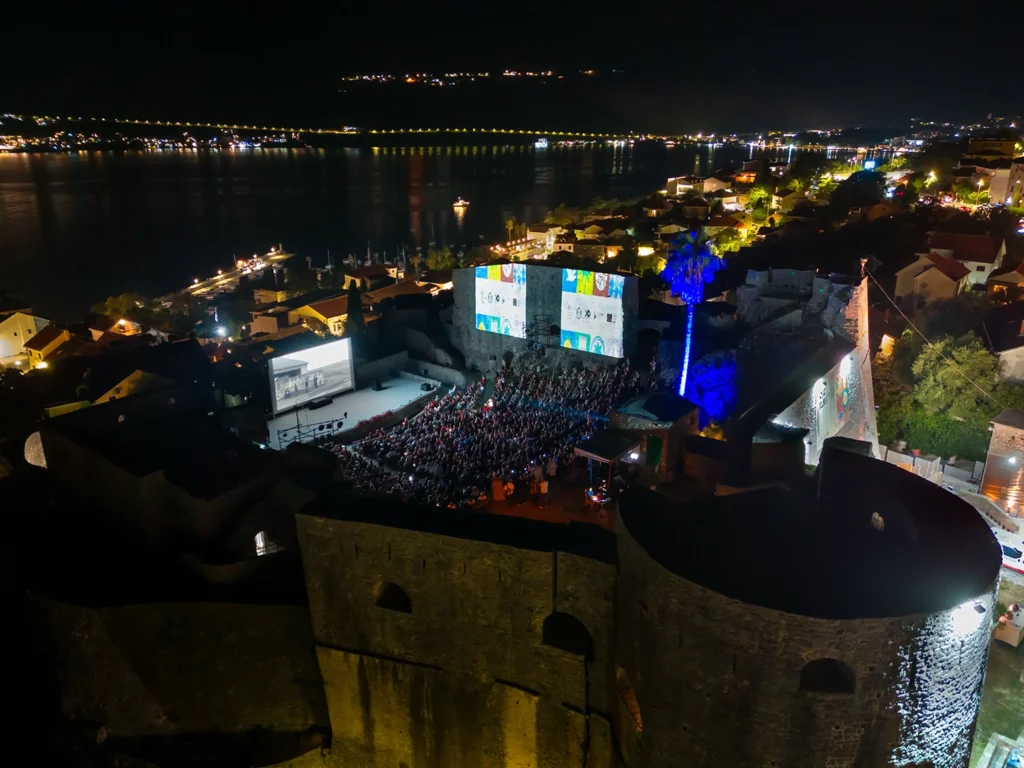
She also reflected on the fact that cinema culture in Herceg Novi began 104 years ago, at the former Officers’ Club near Belavista Square, not far from the locations that today bear the Festival’s distinctive stamp – the Kanli Kula and Forte Mare fortresses, Tora, and the square by the Church of St. Jerome.
“This year’s 39th edition of the Festival continues that tradition, and the local administration supports both the main programme and the accompanying events, which continue to develop from year to year and enrich the Festival,” said Zambelić Pištalo.
As she emphasized, during the Festival, virtually the entire city is involved in its organization and delivery—from the employees of “Herceg Fest,” to the collaborators and volunteers working on the main and accompanying programmes, as well as municipal services.
“For decades, the entire community has proudly stood behind the Film Festival,” Zambelić Pištalo said.
She reminded that the Municipality’s support is not solely financial, while “Herceg Fest”, a cultural institution founded by the Municipality of Herceg Novi, serves as the Festival’s executive producer and “devotes all its resources, decade after decade, to ensuring that the Festival is organized in the best possible way.”
“The best confirmation of this is the fact that the guests we invite to the Festival, as well as everyone involved in the film industry—from producers and actors to directors of photography and other film professionals—are always happy to accept our invitation to attend the Festival,” said Zambelić Pištalo.
According to her, the Municipality plans to continue increasing its support for the Festival in the coming years: “Budget allocations for this year’s edition have already been increased, and we expect this trend to continue when planning next year’s budget.”
As she points out, cooperation with the Ministry of Culture and Media is particularly important for the Festival, as the Ministry has been supporting the event since 2009, as well as cooperation with the Film Centre of Montenegro.
“Nothing can be done entirely on your own. Cooperation between national and local institutions has enabled Herceg Novi to increasingly become a gathering place for people from the film industry, a space for exchanging ideas and developing new projects,” Zambelić Pištalo said.
“Another important step forward is the Festival’s international recognition, which creates opportunities for greater regional and European visibility,” said Zambelić Pištalo.
She said that Herceg Novi also aims to further develop its potential as a destination for film and television production.
“Local authorities are already being approached by domestic and international production companies seeking support during the realization of their projects, and the Municipality sees this as an opportunity for further promotion of the city. In the coming period, the possibility of adopting decisions that would further position Herceg Novi as a film-friendly destination will also be considered,” said Zambelić Pištalo.
She noted that, alongside the city’s recognizable landscapes and locations, an important asset is also its people—local filmmakers, young people interested in film, as well as residents who participate in productions as extras and in other roles.
“According to the experience and research of the tourism sector, some visitors deliberately plan their annual holidays around the dates of the Film Festival. The increased number of visitors has a direct impact on accommodation occupancy, the operation of restaurants and other hospitality establishments, and attendance at museums and other cultural institutions,” said Zambelić Pištalo.
She noted that the impact of the Film Festival on Herceg Novi’s economy is by no means negligible, while emphasizing that its value cannot be measured solely in terms of revenue. Through its cultural policies, Zambelić Pištalo said, the city is investing in audience development, as well as in the preservation of its cultural heritage and the authentic urban locations where Festival programmes are held.
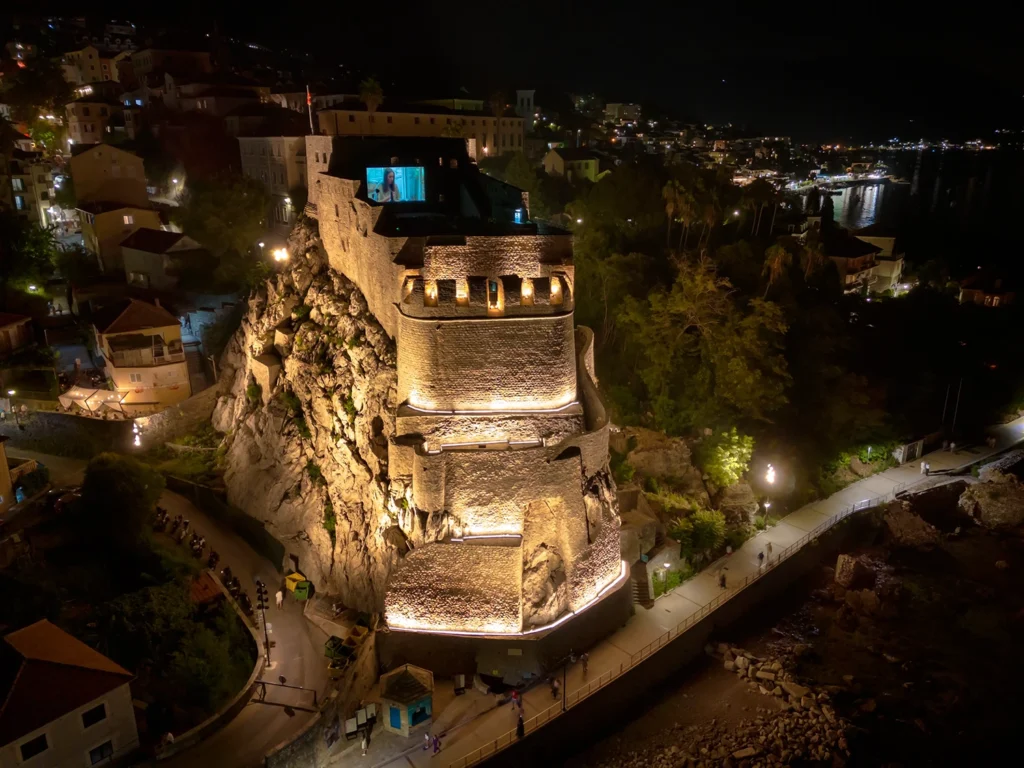
“Kanli Kula, Forte Mare, St. Jerome Square, Andrić’s House and other venues serve as the Festival’s natural stages, while at the same time connecting the art of film with the cultural heritage of Herceg Novi,” said Zambelić Pištalo.
According to her, young people have a particularly important role to play in the Festival’s further development.
“Young people are our present, our strength and our future. This is not a cliché, but should be the starting point for shaping all policies concerning young people,” Zambelić Pištalo said.
That is why, according to her, the student competition, featuring 30 films from six regional academies this year, is one of the Festival’s particularly significant segments.
“Young volunteers also make a significant contribution, as do students of the Secondary Mixed School, who take part in numerous programmes and events. Their involvement gives the Festival additional energy and ensures the continued development of audiences and film culture in the city,” said Zambelić Pištalo.
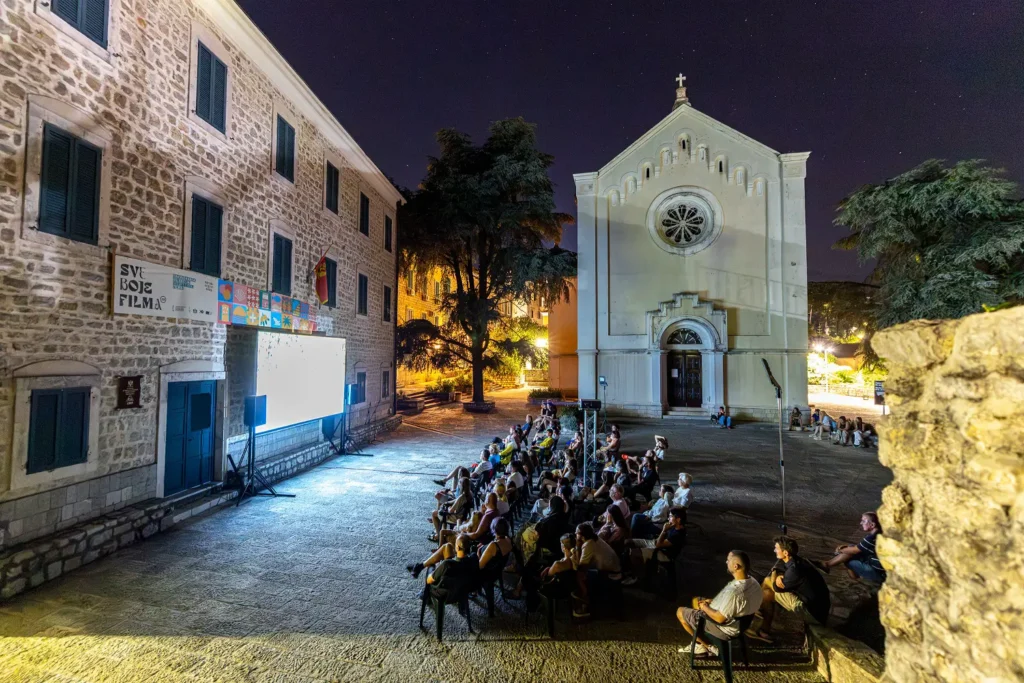
She highlighted the important role of the Festival Council in preparing this year’s edition, particularly its cooperation with, and support for, the selectors and the organizing team.
“Following the conclusion of the 39th edition, a detailed analysis of all the Festival’s impacts will be carried out, from visitor numbers and the economic benefits for the city to results that cannot be measured in monetary terms, such as its educational role, audience development and its overall contribution to the city’s cultural life,” said Zambelić Pištalo, adding that the findings of this analysis will serve as the basis for preparations for the 40th, jubilee edition of the Film Festival.
Zambelić Pištalo addressed the audience, film professionals and guests: “Welcome to Herceg Novi, a city of culture, film and encounters. Come not only during the Film Festival, but throughout the year, as Herceg Novi offers a wide range of high-quality cultural events from January to December for everyone who loves culture.”
The Herceg Novi Film Festival – Montenegro Film Festival will be held from August 22 to 28.
The 39th edition is supported by the Ministry of Culture and Media of Montenegro and the Municipality of Herceg Novi, with the Public Cultural Institution “Herceg Fest” serving as executive producer and the Film Centre of Montenegro as a partner, alongside the support of numerous sponsors, partners and friends of the Festival.